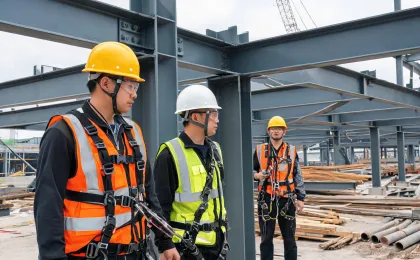
Construction & Utilities
Helmet class, chinstrap use, fall protection, electrical exposure, and vehicle interface are reviewed together so field crews receive a bundle that matches the task rather than a loose list.
Construction, utilities, oil and gas, manufacturing, emergency response, and transportation teams rarely buy PPE in a straight line. They need category bundles that match tasks, atmosphere, visibility, electrical exposure, and inspection discipline. The IND-D layout uses horizontal stories to make each workplace easy to compare without pretending that one kit covers every hazard.
Helmet class, chinstrap use, fall protection, electrical exposure, and vehicle interface are reviewed together so field crews receive a bundle that matches the task rather than a loose list.
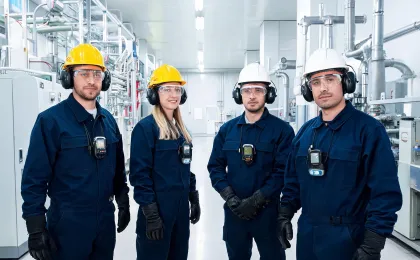
Line-side teams need eye, hand, hearing, head, and lockout records that supervisors can refresh when equipment, chemicals, or shift patterns change.

Gas detection, respiratory planning, FR workwear, and emergency response are coordinated with calibration, alarm response, and contractor-access records.
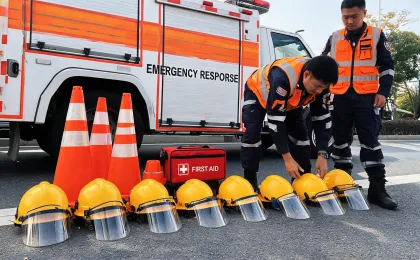
First aid, traffic control, head protection, and communication accessories are organized for quick staging while preserving documentation for incident review.
A manufacturing customer replaced informal hard hat reorders with an issue-date register, accessory compatibility note, and supervisor inspection cadence.
A contractor pilot combined portable gas detector alarm reviews with crew check-in data so field leadership could see where extra coaching was needed.
A utility buyer grouped helmets, eye protection, dielectric footwear notes, and LOTO kits by job role to reduce inconsistent substitutions.